

Cold Therapy Research
RestorEar is at the forefront of pioneering applications of therapeutic hypothermia to create surgical, clinical, and consumer-ready solutions for middle and inner ear disorders including noise-induced hearing loss (NIHL), tinnitus, traumatic brain injury (TBI), and relief from surgical trauma. Partial support for our R&D and that of our collaborators comes from the National Institutes of Health, the Department of Defense, and the Department of Veterans Affairs.
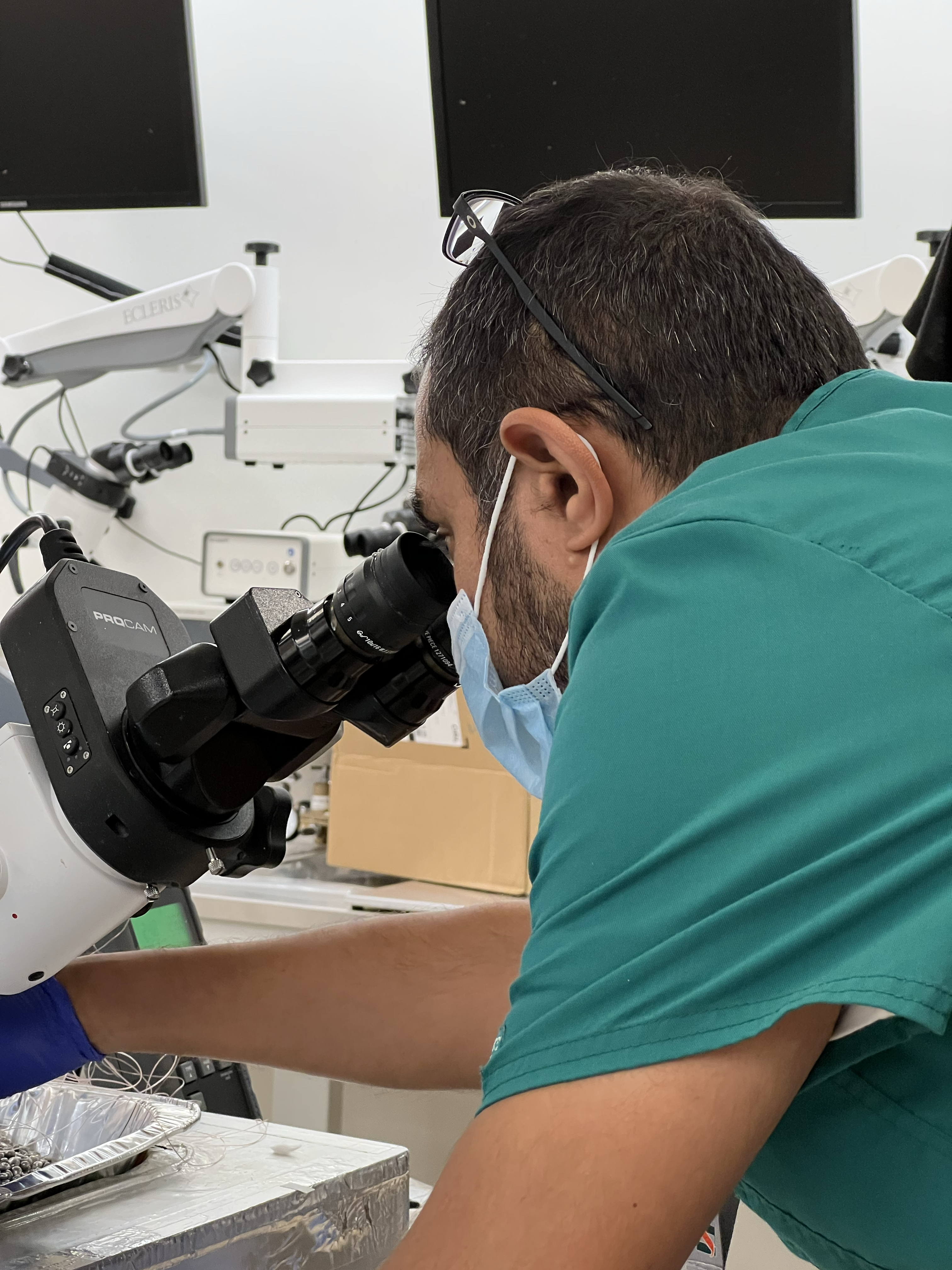
For over a decade, RestorEar and our collaborators have been studying the effects of various traumas on the auditory system and the role of cooling in preventing hearing loss through computational, animal, and human models.
Select publications highlighting this work can be found below:
Clinical trials
Multiple human clinical trials using RestorEar cold therapy are currently underway. These long-term studies are funded by the National Institutes of Health and are carried out in collaboration with various university partners. Project highlights include:
IMPROVED OUTCOMES IN COCHLEAR IMPLANT SURGERY
ReSurg™ harnesses our novel cooling technology to preserve residual ("natural") hearing function during and after cochlear implant surgery. ReSurg was developed in collaboration with leading researchers, neurotologists, and audiologists to advance patient outcomes without interfering with surgical workflow, the implant device, or patient safety. Recruitment for this first-in-humans clinical trial using ReSurg is ongoing.
PROTECTION AGAINST NOISE-INDUCED HEARING LOSS
RestorEar is addressing the widespread challenge of occupational noise-induced hearing loss (NIHL) with cold therapy.
Our research collaborators have studied the catastrophic noise exposure firefighters and other high-risk professionals face every day. We developed ReBound™ in response.
Now, our partners are exploring the efficacy of ReBound for the prevention of noise-induced hearing loss in a group of occupationally at-risk firefighters.
TINNITUS RESEARCH
Tinnitus, or ringing in the ears, affects 15-20% of people and is associated with increased rates of anxiety and depression and decreased quality of life.
RestorEar supports two ongoing human clinical trials aimed at reducing severity and improving symptom management for patients with chronic tinnitus. These studies are supported by the National Institute on Deafness and Other Communication Disorders (NIDCD) and Small Business Innovation Research (SBIR) funding and will continue through 2026.
To learn more about all of our clinical trials, visit clinicaltrials.gov.