


Targeted cold therapy delivered precisely to the cochlea for integrated long term hearing health.
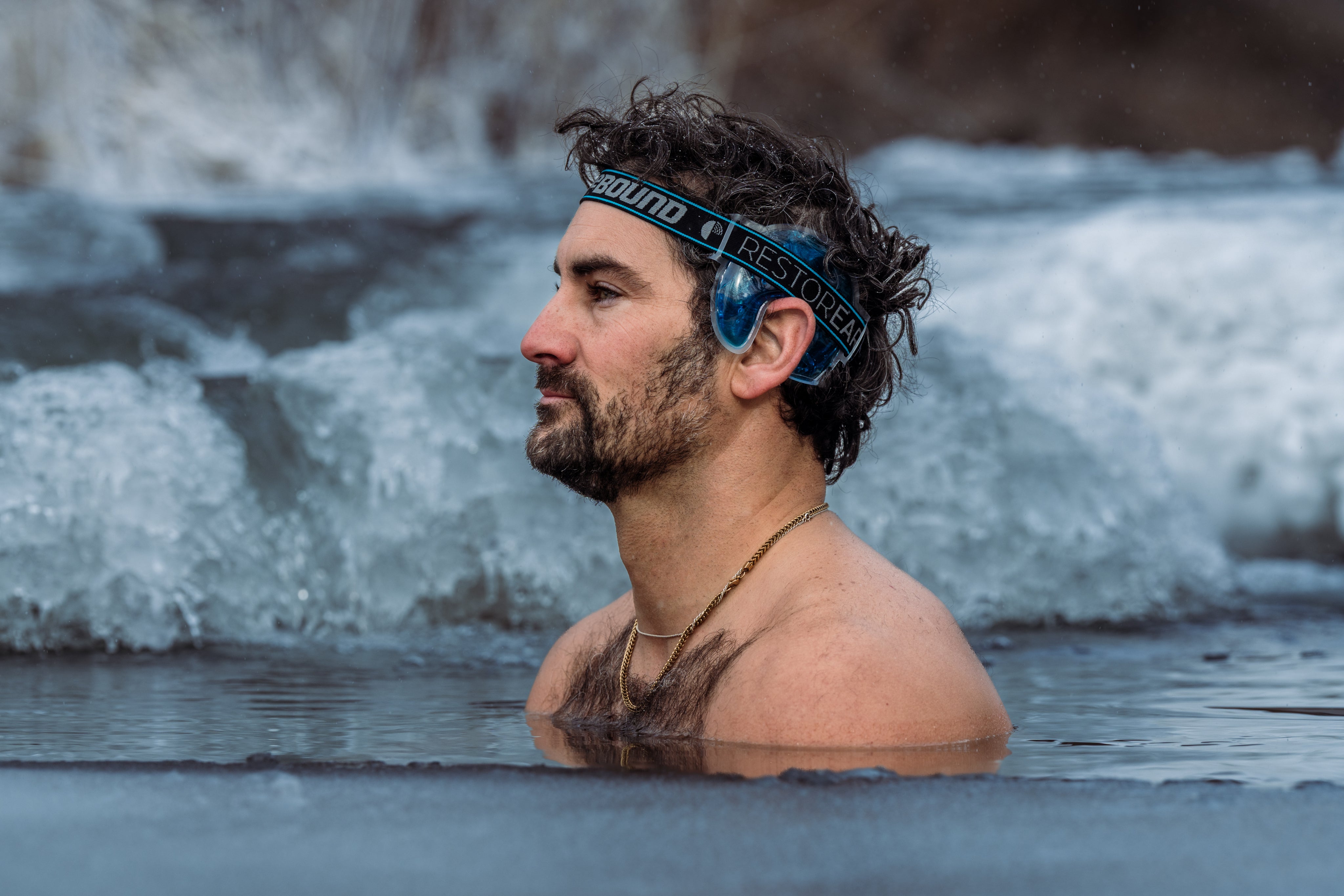
The science of cooling
Therapeutic hypothermia, or cold therapy, is one of the oldest and most widely used therapeutic strategies in medicine. When tissues are cooled, several key changes occur. Reduced blood flow in the cooled area decreases swelling and limits recruitment of immune cells into tissues. The overall metabolic activity of cells decreases, and inflammatory chemicals that are normally released due to trauma are suppressed. Cooling also minimizes pain by slowing the speed of pain signal transmission in nerve membranes.

Cold therapy for hearing health
Studies have shown that precise cooling of the inner ear (cochlea) to a targeted temperature range can help preserve hearing. During loud noise exposure or physical trauma like a blast or an inner ear surgery, immune cell recruitment and inflammatory cascades naturally occur in the cochlea. While these are part of an important immune response, the delicate and essential hearing cells of the cochlea are caught in the crossfire and become damaged or even die due to the inflammation. When this happens, hearing loss occurs. Precise cooling of the cochlea during or even after the trauma limits damaging inflammation in the inner ear, preserving its structures and protecting hearing.
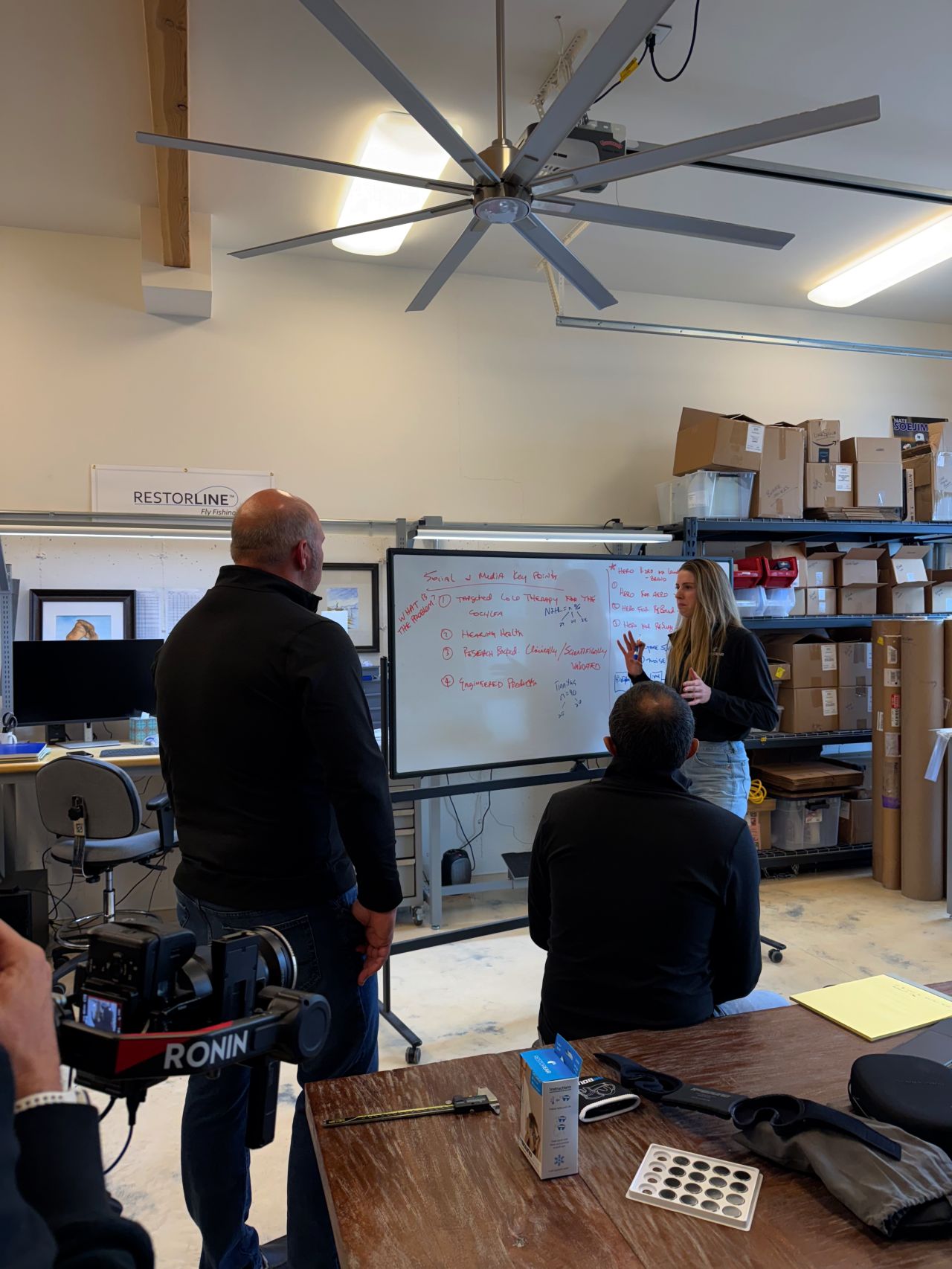
RestorEar’s approach
We began our work with cold therapy studying its use for preserving the delicate structures of the cochlea during cochlear implant (CI) surgery. CIs are revolutionary medical devices that offer a solution for individuals with severe to profound hearing loss by bypassing damaged parts of the ear and directly stimulating the auditory nerve. They must be implanted into the head surgically.
Many individuals receiving CIs possess a small degree of residual (natural) hearing. During the implantation process, physical trauma from the surgery combined with resulting inflammation damages the structures responsible for natural hearing. As a result, patients lose that ability to hear naturally, which can make it harder to adapt to their new implant and understand the noise around them.
Once we established cold therapy as a way to protect the cochlea during CI surgery, we began looking for other applications of this technology for hearing preservation. Noise-induced hearing loss (NIHL) and tinnitus (ringing in the ears) follow similar pathophysiological and inflammatory pathways as damage caused by CI surgery.