

News

RestorEar had a busy, innovative 2025. Here we look back on our top five favorite parts of the year.

When most people think about hearing, they picture the visible outer ear. But the real magic of hearing happens deep inside the skull, in an elegant, seashell-shaped structure called the cochlea. Despite being only about the size of a pea, the cochlea houses one of the most sophisticated biological systems in the human body. It converts vibrations into electrical signals that our brain interprets as speech, music, traffic noise, or a loved one’s voice.
In other words, hearing is all about the cochlea.

The Surprising Connection Between Diabetes and Hearing Health
November is American Diabetes Month, an opportunity to raise awareness by educating the public about diabetes. At RestorEar, that means highlighting the relationship between diabetes and hearing health.
Hearing health isn’t just related to the auditory and vestibular systems. It relates to a variety of health conditions, including diabetes. According to a recently published study in Otolaryngology–Head and Neck Surgery, people with type 2 diabetes have 4.19 the odds of having hearing loss compared to individuals without diabetes. Although the exact mechanisms of this relationship are still being studied, scientists believe that long-term changes to blood vessels and nerves caused by high blood sugar may play a key role. Understanding this link is key to helping individuals with diabetes protect their hearing and their overall health.
Read moreabout The Surprising Connection Between Diabetes and Hearing Health

Hearing Health and Firefighters
From heat, to smoke, to flashing lights, to chaos, firefighters face extreme environments every day. But one occupational hazard that often flies under the radar is noise exposure. As one of the groups with the noisiest occupations, firefighters are regularly subjected to sound levels high enough to cause permanent hearing damage.
Maintaining hearing health is essential for firefighters’ safety, communication, and long-term well-being. Here’s what you need to know about how the job affects hearing and how to prevent irreversible loss.

Understanding the Different Types of Hearing Loss
Hearing loss is one of the most common sensory conditions worldwide, affecting people of all ages. According to the World Health Organization, 1.5 billion people live with some degree of hearing loss globally, and over 430 million people experience disabling hearing loss, a number expected to grow as the population ages. But “hearing loss” isn’t a monolith. There are different types, causes, and degrees of hearing loss, each with unique implications for treatment and communication. Understanding these distinctions can empower individuals and families to seek appropriate care and support.
Read moreabout Understanding the Different Types of Hearing Loss
Hearing Health During Cold and Flu Season
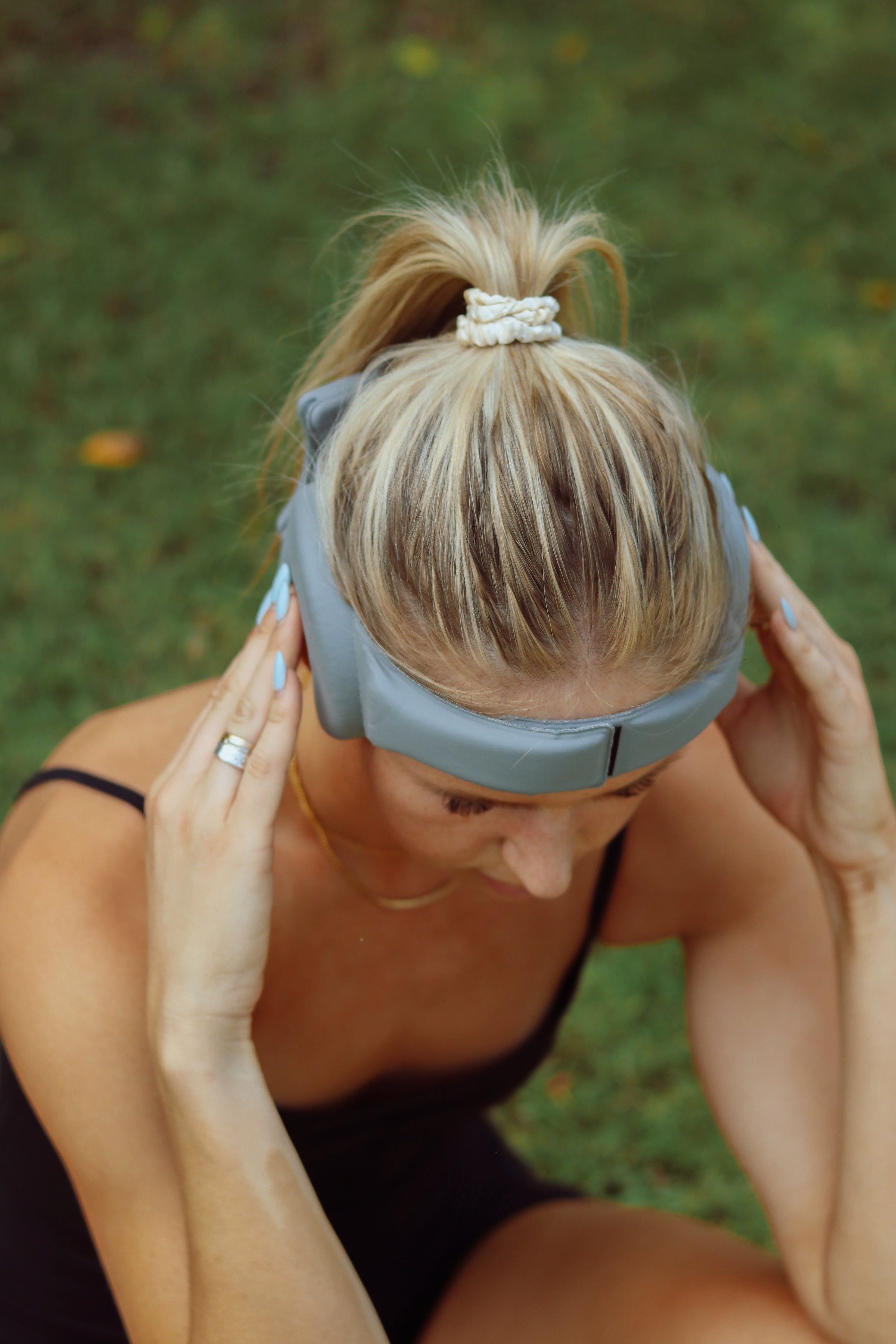
As temperatures drop and people spend more time indoors, cold and flu season arrives in full swing. While we usually think of congestion, sore throats, and fatigue as the biggest challenges this time of year, hearing health is also affected by common seasonal illnesses.
Ever experience clogged ears after a cold? Colds, the flu, and respiratory infections can all influence the ears. Sometimes this effect is temporary, but in certain cases there is a lasting impact. Understanding how these conditions interact with hearing can help you protect both your overall health and your ears this season.
The Science and Applications of Cold Therapy
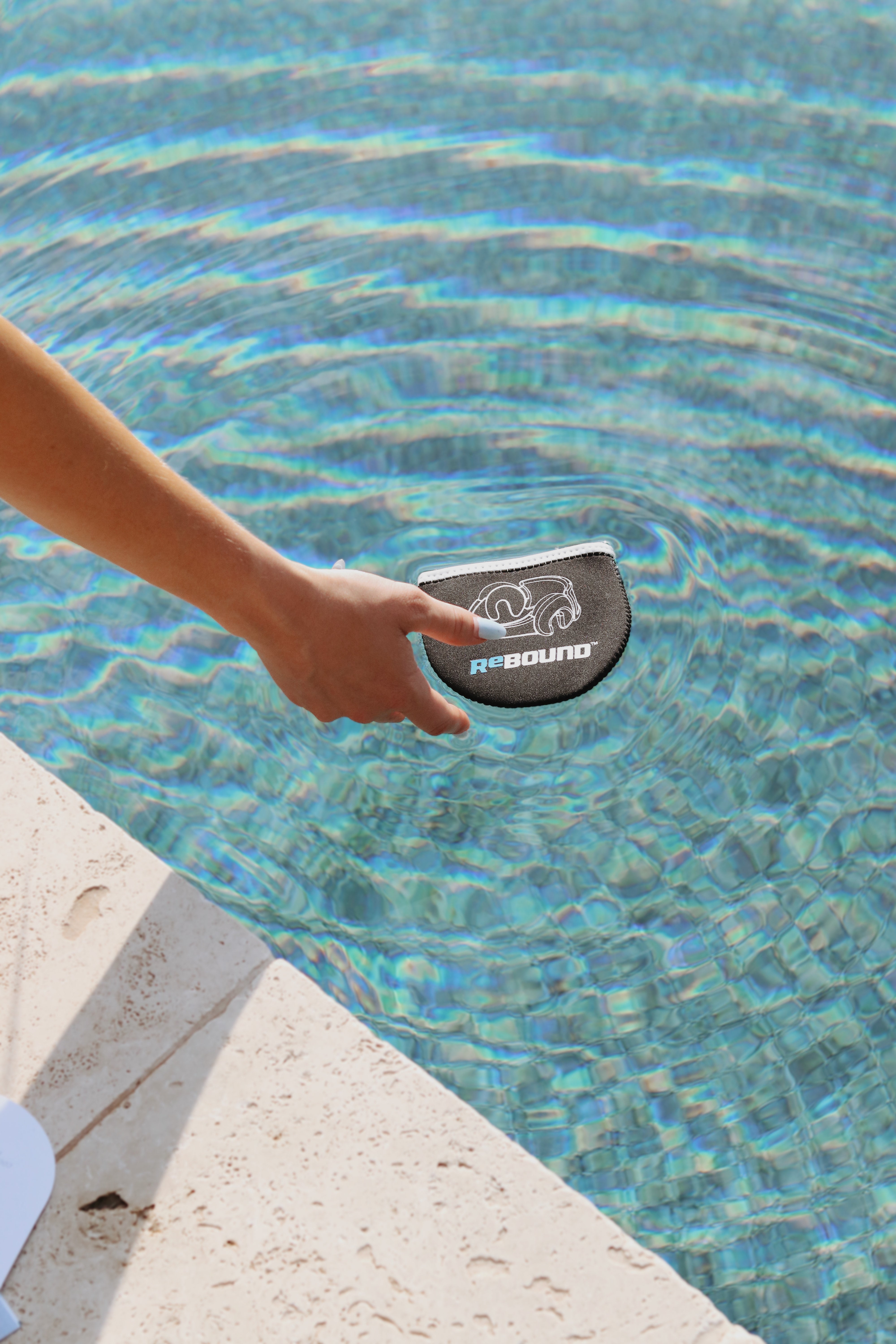
At RestorEar, cooling is a big deal. Cold therapy, also known as cryotherapy, is one of the oldest and most widely used therapeutic strategies in medicine. From simple ice packs to advanced whole-body cryotherapy chambers, applying cold to the body has been shown to reduce pain, modulate inflammation, and support healing. But how does it actually work?
Here, we review the science of cold therapy, as well as some common and lesser-known applications.
Hearing Loss and Fall Prevention
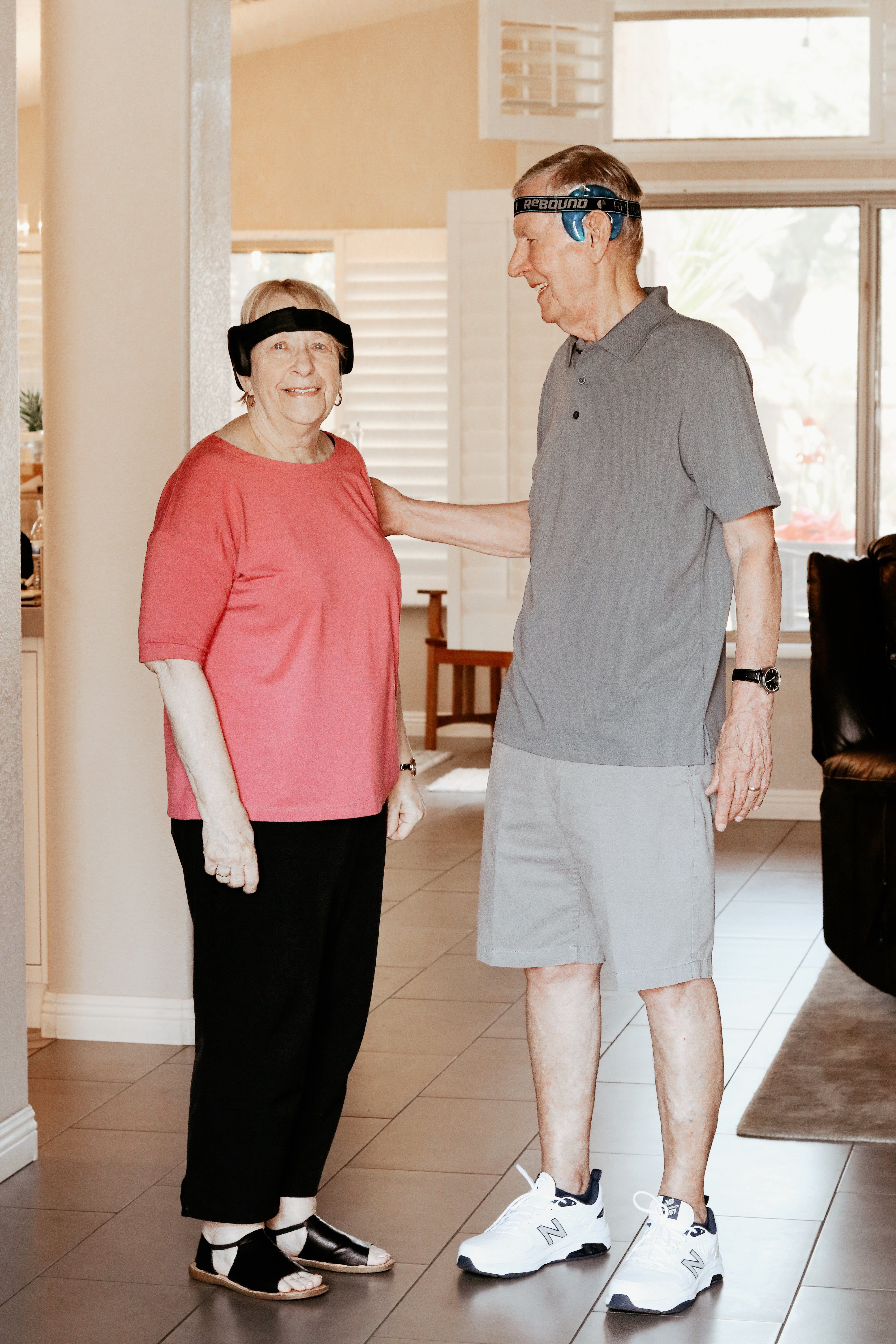
Falls are a leading cause of injury among older adults and can have life-changing consequences. But many people don’t realize hearing loss is closely linked to fall risk. Studies show that even mild hearing loss can triple the risk of falling. The risk rises as hearing loss becomes more severe.
Here, we’ll explore the connection between hearing and balance, explain why untreated hearing loss increases fall risk, and share practical strategies for preventing falls and protecting your overall health.

Research Spotlight: Tinnitus Study Set to Begin Recruiting
Last spring, RestorEar received a Small Business Innovation Research (SBIR) grant from the National Institute on Deafness and Other Communication Disorders (NIDCD) for a new study with our collaborators at the University of Miami. We are thrilled to announce that this study, titled "Noninvasive Therapy for Tinnitus", will begin recruiting participants this month.
Read moreabout Research Spotlight: Tinnitus Study Set to Begin Recruiting